Pakistan’s entertainment culture is changing in ways that would have been difficult to imagine a decade ago. Audiences are no longer discovering performers only through television, cinema or traditional stage shows. A smartphone and an internet connection can now turn an entertainer into a widely recognized public figure, creating a direct relationship between the performer and millions of viewers.
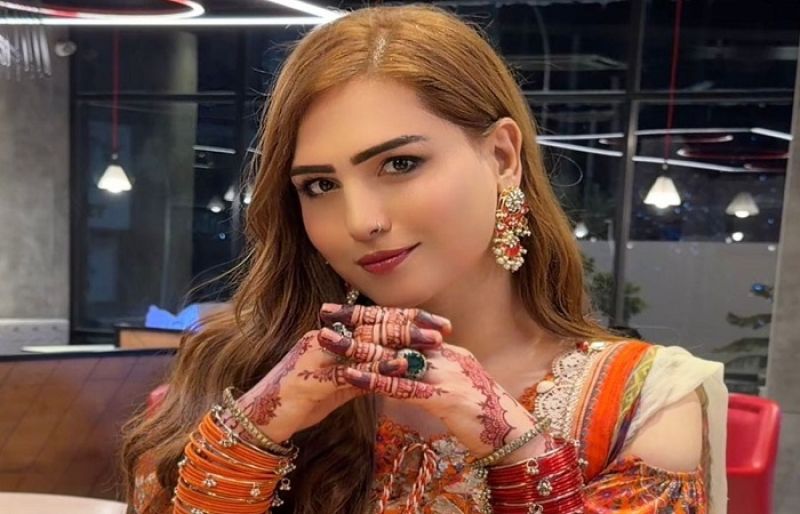
Pari Paro is part of this changing landscape. A transgender performer from Sargodha, she has built a substantial digital audience while continuing her association with live entertainment. Her work as a dancer, actress and stage performer has developed across physical venues and online platforms, allowing her to reach audiences through two very different forms of entertainment.
Her TikTok account, @pariparoofficial909, has crossed more than 3.6 million followers. The figure represents a significant level of public attention in Pakistan’s digital entertainment environment, but the more interesting aspect of her rise is how that audience was built. Instead of depending entirely on established entertainment institutions, she has been able to present her performances directly to viewers and develop a following around her own digital presence.
Social media has changed the meaning of exposure for performers. In the traditional entertainment model, appearing before a large audience often depended on being selected for a television programme, film, major stage production or high-profile event. Digital platforms have introduced another route. Performers can publish their own material, develop a recognizable style and allow audiences to decide whether they want to keep watching.
For Pari Paro, this digital environment became an extension of an experience she had already developed through live performances. Her background on stage meant that performing in front of people was not new to her. What changed was the size and nature of the audience. A performance that once existed within the boundaries of a particular venue could now be viewed by people in cities she had never visited.
Her story also intersects with a broader conversation about representation. As a transgender woman working in entertainment, her public visibility carries significance beyond social media statistics. Pakistan’s transgender community has frequently faced barriers in education, employment and social acceptance. The emergence of digital platforms has given individuals from communities that have historically struggled to find space in mainstream media another avenue through which they can express themselves and build professional identities.
For Pari Paro, however, visibility is closely connected to her work. Her performances remain the central element of her public profile, while her identity forms part of the wider story surrounding her career. Her approach reflects the experience of many modern digital entertainers who are simultaneously performers, creators and public personalities.
The nature of online fame also demands constant adaptation. Unlike traditional media, where an appearance may remain available as part of a programme or film for years, social media operates at a much faster pace. New content appears every day, trends change rapidly and audiences have almost unlimited choices. Maintaining a large following therefore requires continued interaction and an ability to remain relevant.
This makes Pari Paro’s growing audience more significant than a single viral moment. Millions of followers indicate that viewers have continued to return to her content and remain connected with her digital presence. Her audience has effectively become part of her career infrastructure.
The development also reflects a larger shift in how Pakistanis consume entertainment. Younger audiences increasingly discover personalities through short videos, social platforms and creator-led content. For them, a digital performer does not necessarily need to come from television or film to become recognizable. A creator with a strong online following can establish a level of public familiarity independently.
That change is gradually expanding the definition of a celebrity. Today, an entertainer can emerge from a stage, a phone camera, a local event or an online community. The traditional boundaries between performer and content creator are becoming less distinct, and audiences increasingly determine which personalities receive sustained attention.
Pari Paro’s journey fits within that transformation. Her career demonstrates how experience in live entertainment can be carried into the digital world, where geography becomes less restrictive and an individual performer can communicate with an audience on a national scale.
Her more than 3.6 million TikTok followers are therefore not simply a statistic. They represent the scale that digital platforms can provide to performers who build a connection with their viewers. From her beginnings in Sargodha to her current online reach, Pari Paro’s career illustrates how Pakistan’s entertainment industry is becoming more decentralized, more digital and increasingly shaped by audiences themselves.